This page provides historical information that contextualizes this digital exhibition. It explains: what was going on in the 1970s that prompted feminists to organize and take to the streets? And what is of special interest or significance in Rochester feminist activist history?
The feminist pornography debate, usually characterized as the “sex wars” or the “porn wars,” is one of the most infamous moments in feminist history. Gayle Rubin, in a recent retrospective lecture, called these feminist battles “traumatic,” while Lisa Duggan and Nan Hunter said the sex wars were “no party and no joke.” Between 1976 and 1979 three national feminist organizations formed to protest the violent portrayals of women in media, including pornography. Women Against Violence Against Women (WAVAW), Women Against Violence in Media and Pornography (WAVPM), and Women Against Pornography (WAP) rose to prominence in the feminist movement in the late 1970s due to their confrontational tactics and their controversial critiques of women in pornography and media.
The feminist anti-pornography movement attacked pornography and those who sold it as well as other feminists, particularly queer and sex-radical feminists who believed that the censorial politics of the anti-pornography movement would disproportionately harm already marginalized groups. These confrontations, that lasted from the late 1970s until the mid 1980s, are hotly contested by scholars as well as those involved.
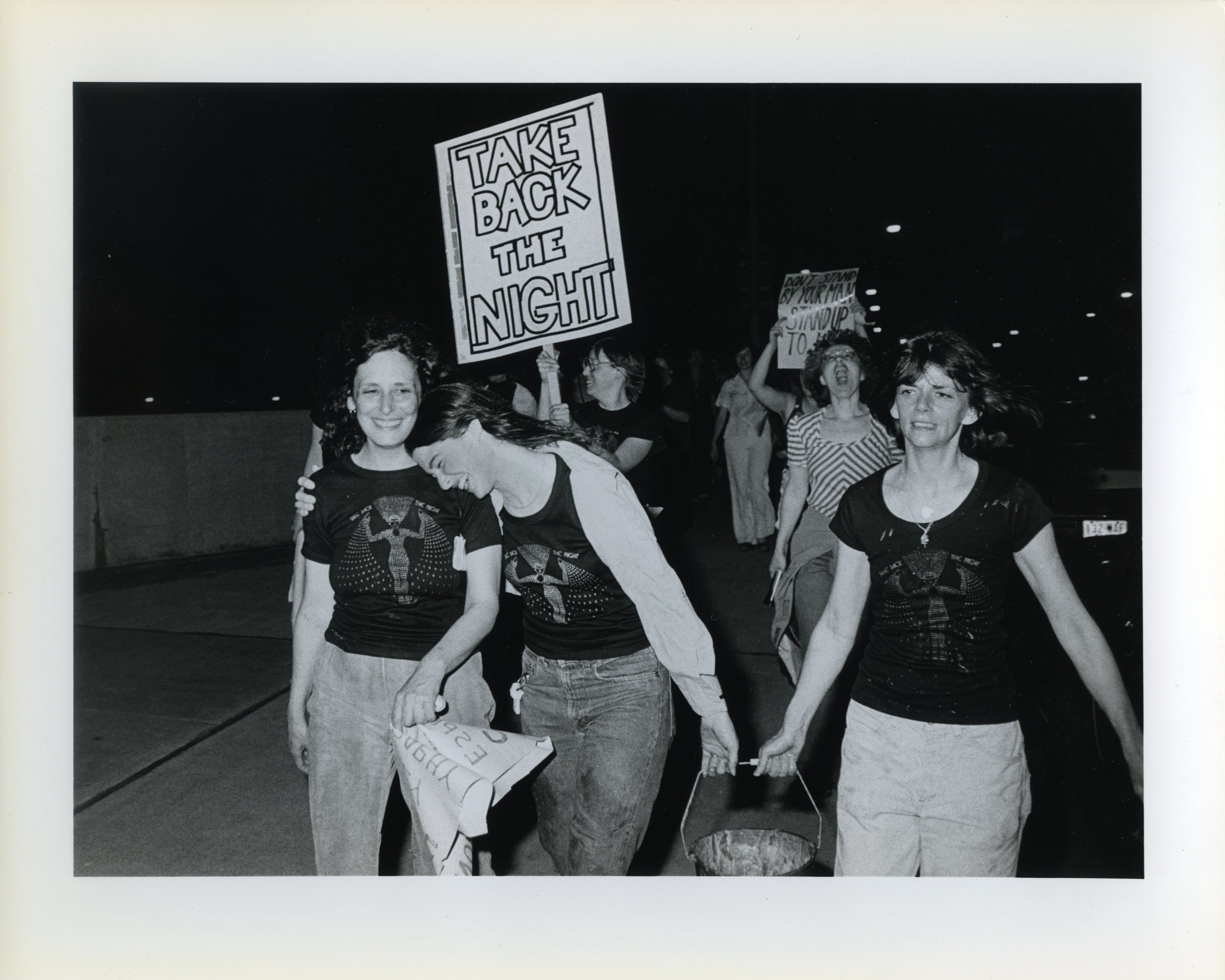
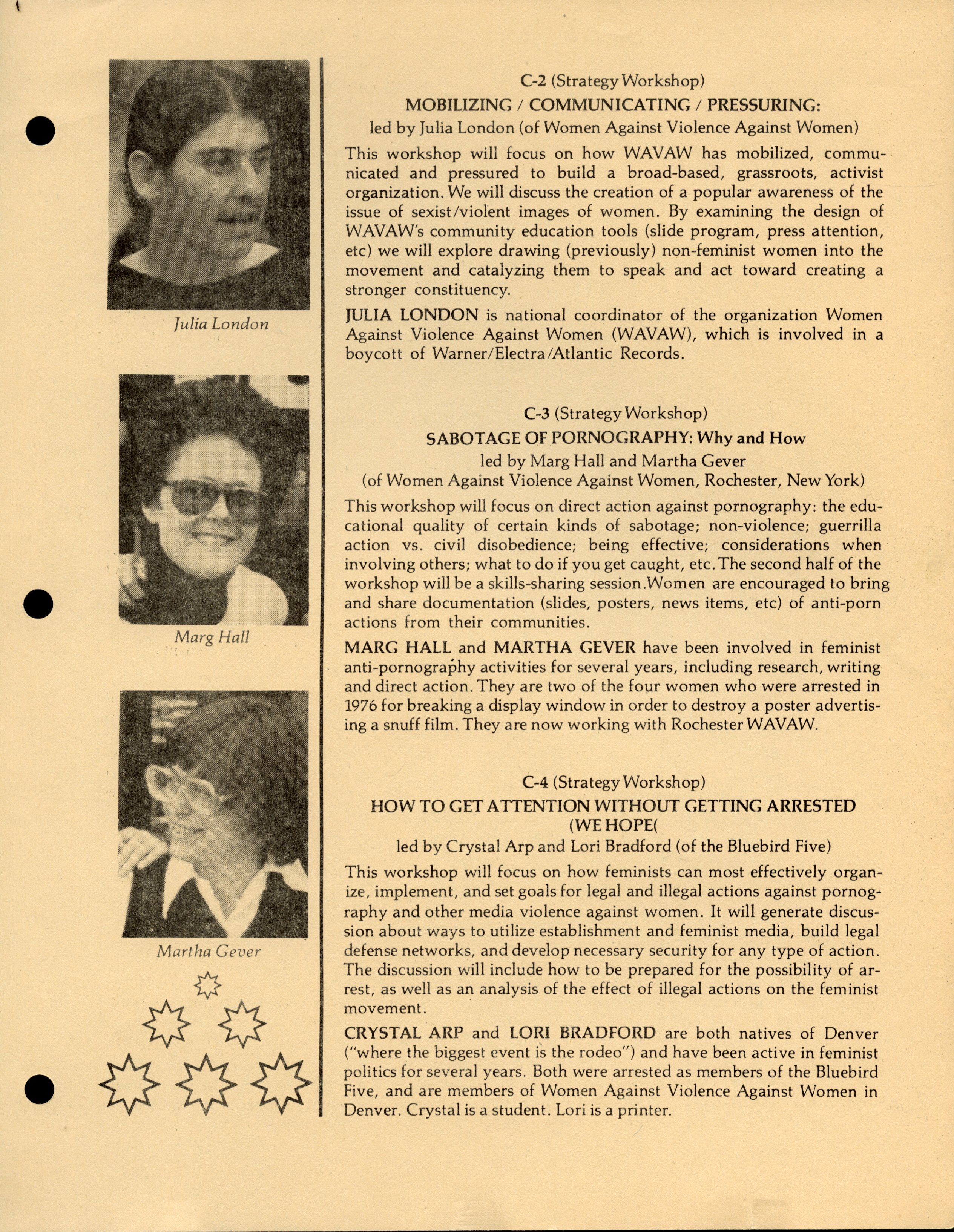
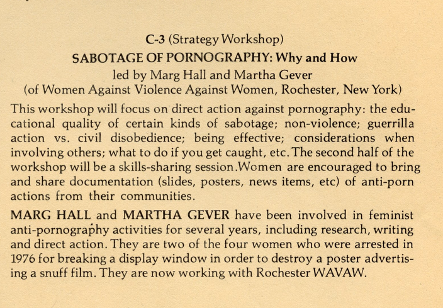
The vast majority of the scholarship on the feminist anti-pornography movement has focused on the groups in larger cities, particularly San Francisco, San Diego, and New York City. However, the politics of the anti-pornography movement disseminated quickly across the country thanks to the many grassroots networks and skills feminists learned in the radical liberation movements of the 1960s and early 1970s. Women in Rochester were part of the anti-media violence and anti-pornogrpahy movement from the beginning. In the most well-known feminist anti-pornography collection, Take Back the Night: Women on Pornography (1980), two Rochester feminists (Martha Gever and Margaret Hall) contributed a piece discussing their direct action against a local theatre. Very little has been written or explored about the anti-pornography movement in smaller cities, or what happened to those groups and networks once the anti-pornography movement fizzled at the end of the 1980s.
Notes
- “The Feminist Sex Wars: A Retrospective by Gayle Rubin,” Cornell University, https://youtu.be/DWjqeAarm2I?si=fmX2Wy484dYUqbb5 ; Lisa Duggan and Nan Hunter, Sex Wars: Sexual Dissent and Political Culture (New York: Routledge, 1995).
- For some of the most recent scholarship on the feminist anti-pornography movement see, Carolyn Bronstein, Battling Pornography: The American Feminist Anit-Pornography Movement, 1976-1986 (Cambridge: Cambridge University Press, 2012); Lorna Bracewell, Why We Lost the Sex Wars: Sexual Freedom in the #MeToo Era (Minneapolis: University of Minnesota Press, 2021); Nancy Whittier, Frenemies: Feminists, Conservatives, and Sexual Violence (New York: Oxford Univeristy Press, 2018).
- Laura Lederer, Take Back the Night: Women on Pornography (New York: Morrow, 1980); This collection came out of the first anti-porongraphy conference that took place on the west coast, titled “Feminist Perspectives on Pornography,” or colloquially known as the “Take Back the Night Conference.”
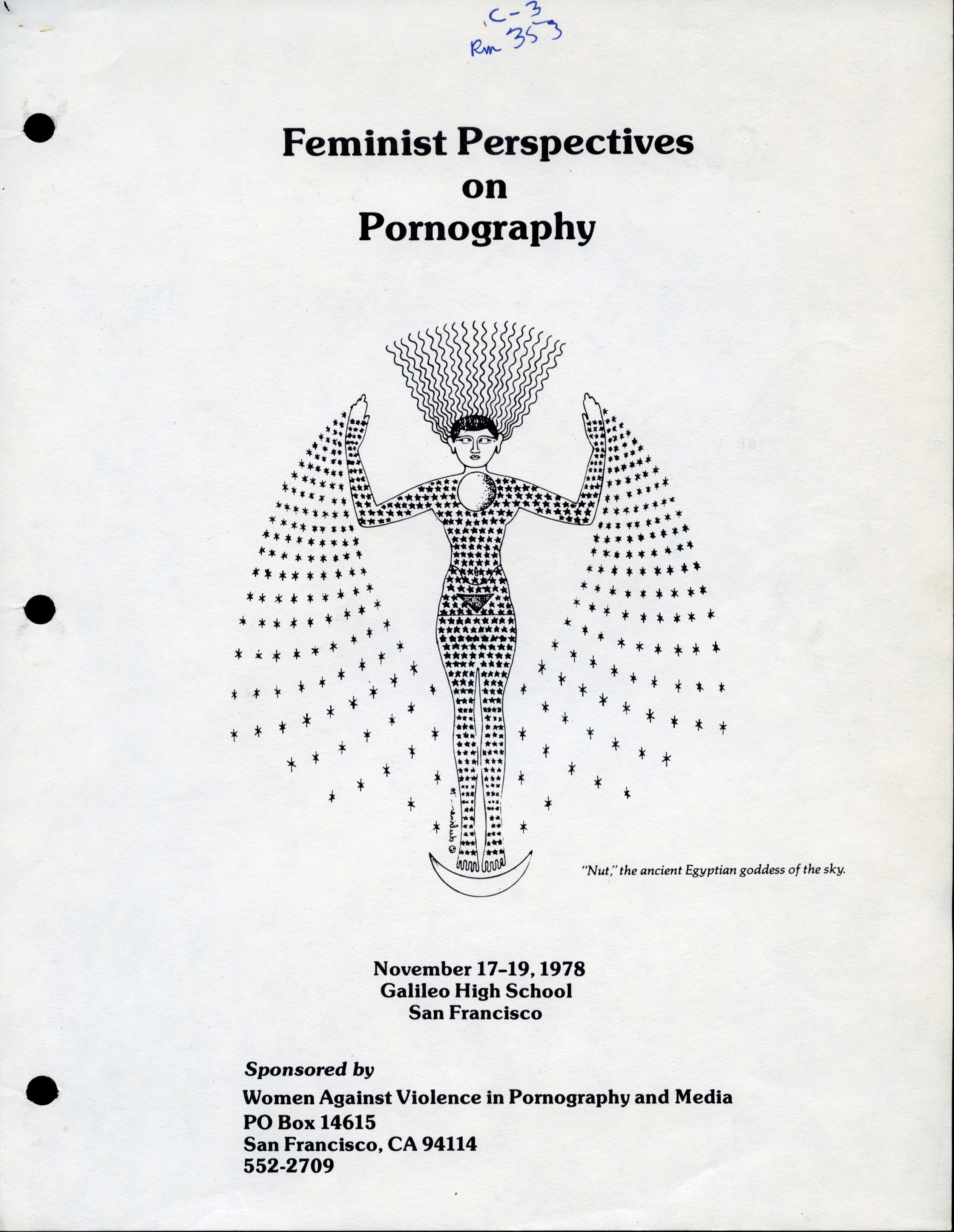
This collection uncovers the history of the Rochester chapter of WAVAW (R-WAVAW), and represents a significant contribution to the historical record of feminist anti-violence activism in the United States. The material, collected in two boxes with a total of forty folders, largely focuses on the initial and most active years of the anti-pornography movement, from 1976 to 1982.
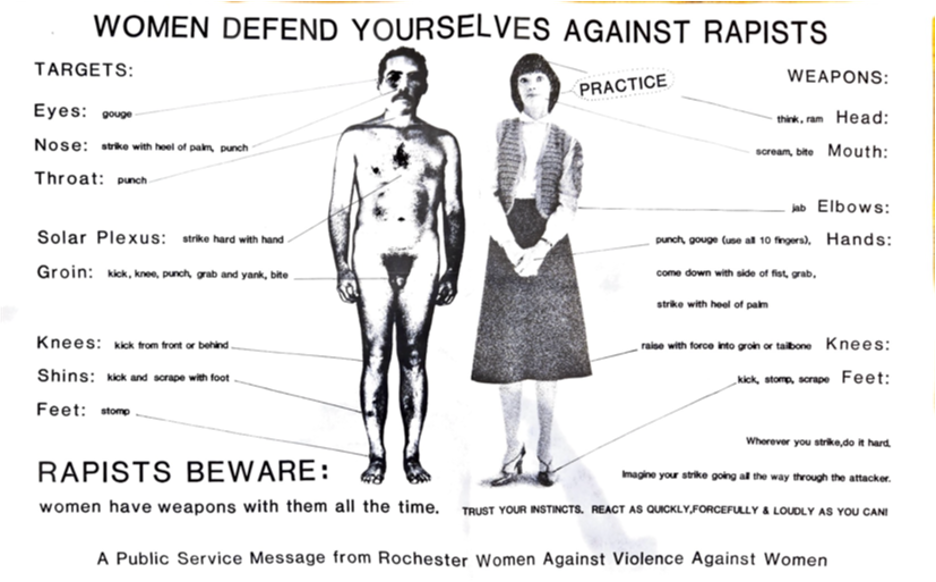
The collection demonstrates the breadth and scope of the activism of R-WAVAW, as well as the robust nature of their communications with feminist organizations across the country. The collection includes correspondence with local and national leaders, such as Andrea Dworkin, in letters that demonstrate how local feminists engaged in the national feminist anti-pornography discourse and debate. Aside from this correspondence, the majority of the R-WAVAW collection comprises materials detailing the grassroots movement in Rochester, activity which consisted of: direct actions that took place at adult bookstores, movie theatres, and on the streets of Rochester—primarily in the “cultural district,” or downtown Rochester, where the majority of the adult entertainment businesses were located in the late 1970s. Documenting these activities are ephemera such as original posters, public outreach pamphlets, newspaper clippings, photographs, wheatpasting instructions, and the transcripts for the anti-media violence slideshow—one of the most infamous components of the feminist anti-pornography movement.

In addition to the R-WAVAW collection’s documentation of this kind of local activism, and correspondence with feminist organizations across the United States, there is ample material that documents how violence against women was being addressed in mainstream media (newspapers, magazines) and being discussed by feminist writers and academics. Multiple copies of essays, articles, and bibliographies demonstrate how members of R-WAVAW engaged in national feminist debates about pornography and violence, and their study of contemporary literature on the subject. These materials illuminate both the internal workings of the feminist collective, as well as its public-facing activism.
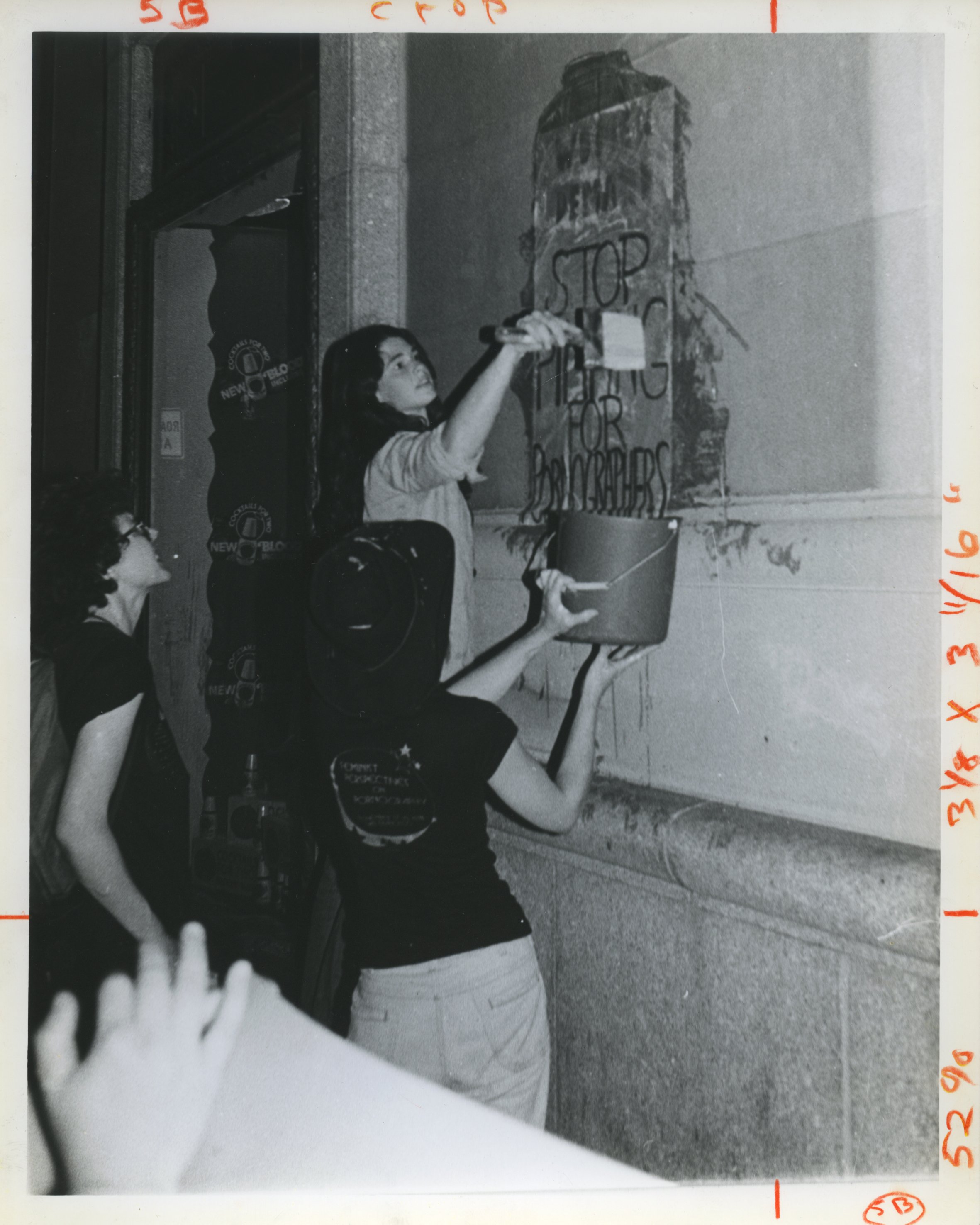
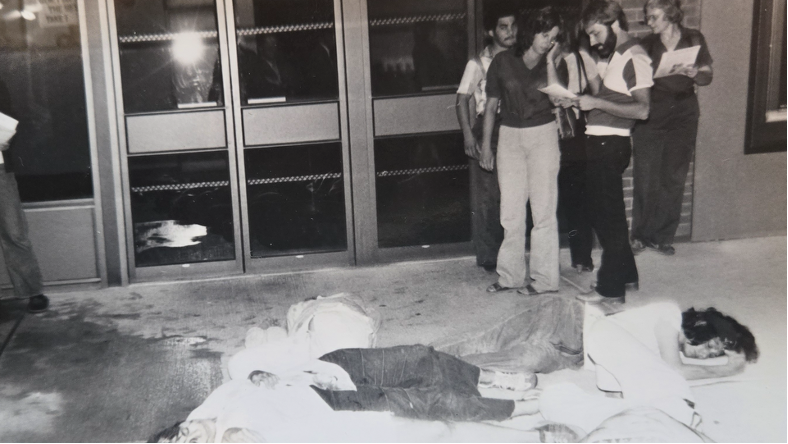
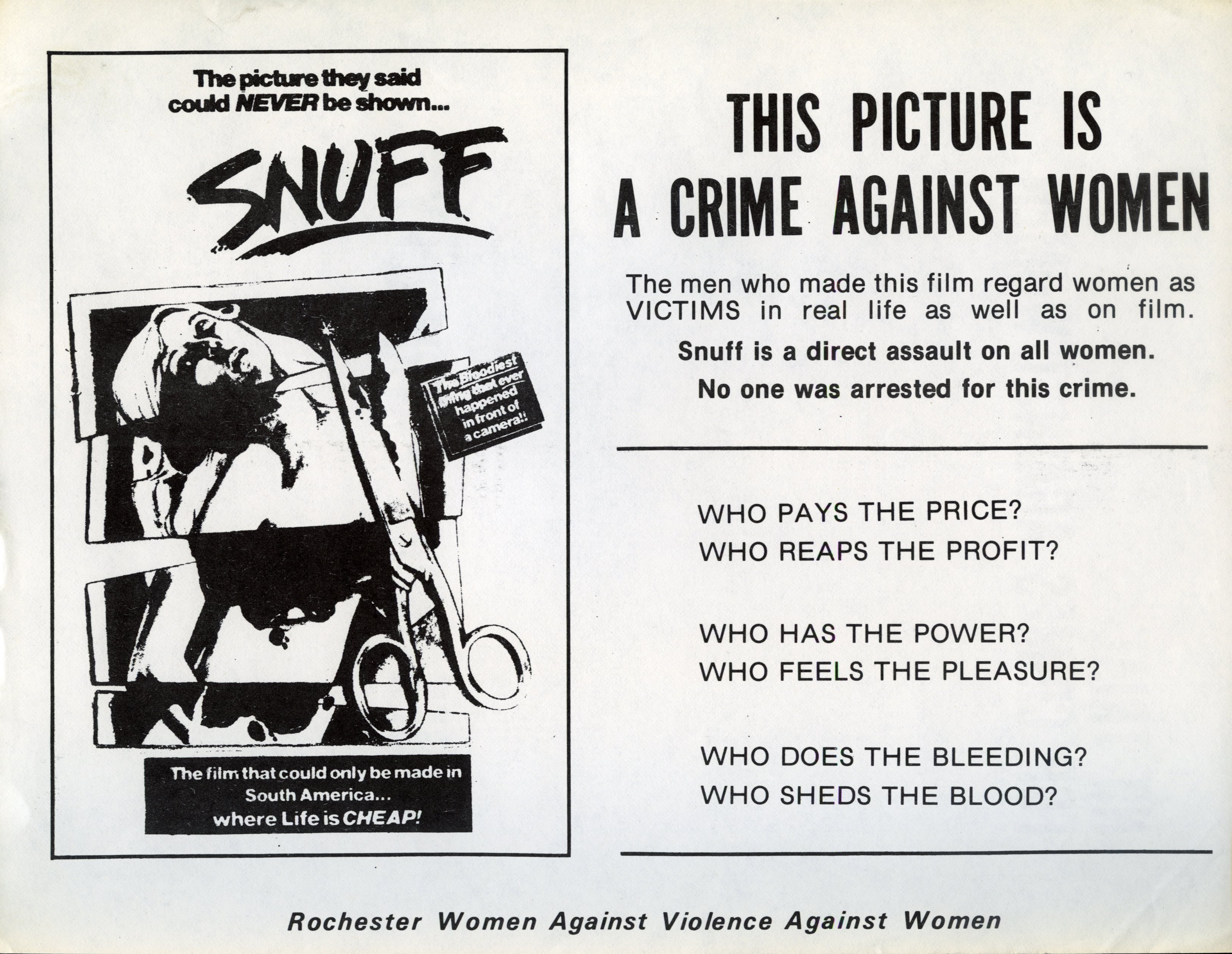
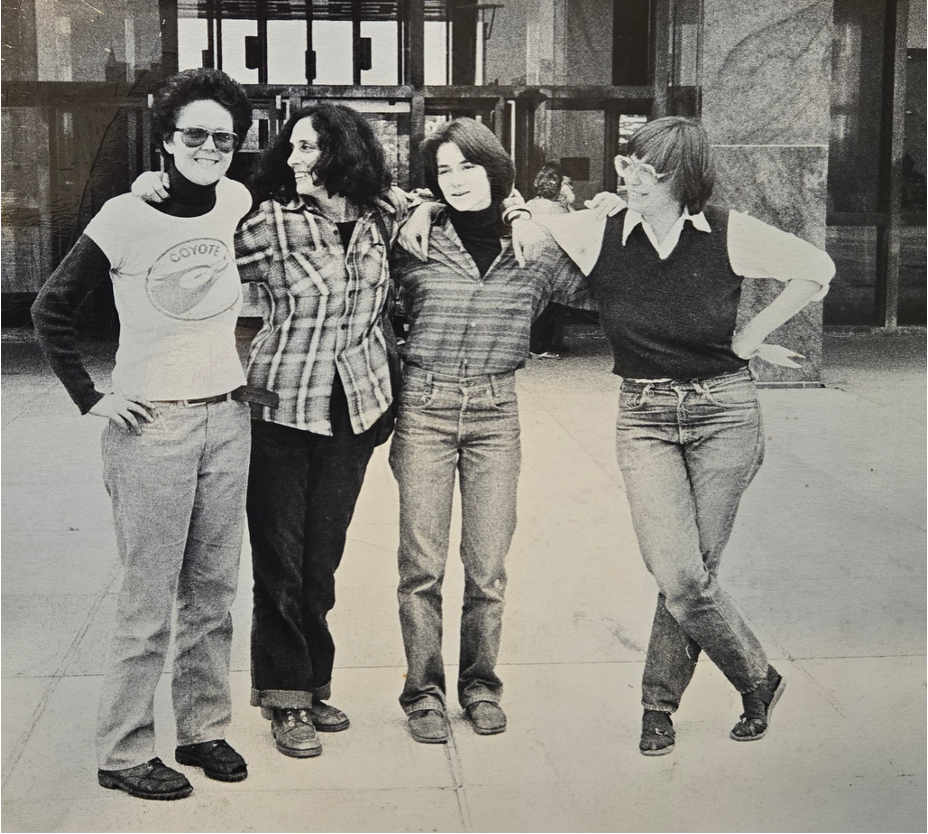
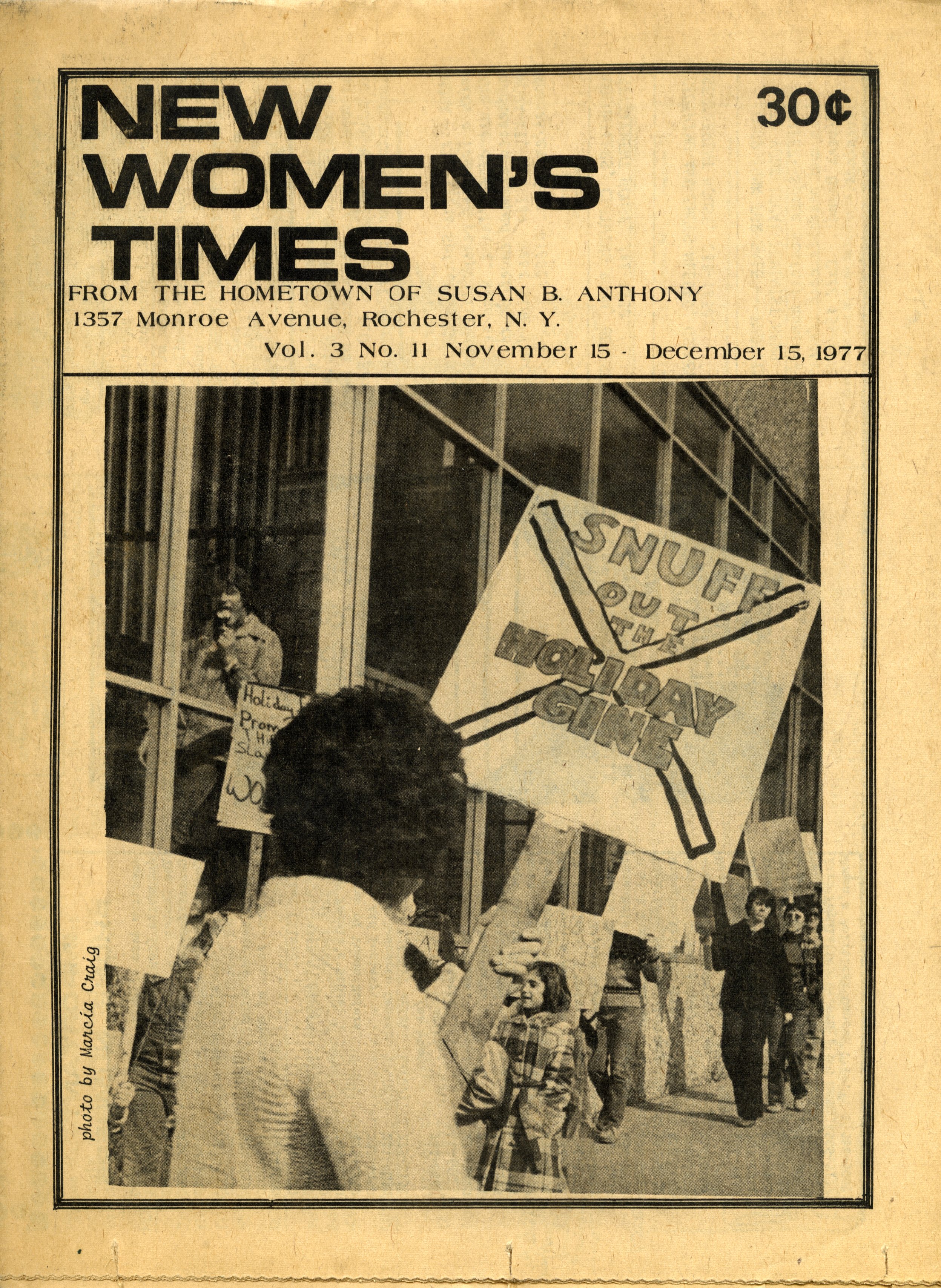
A major event documented in the archive is R-WAVAW’s protest of the Holiday Cine Theater for screening the controversial film Snuff (1976). On October 30th, 1977, four R-WAVAW members—Sylvia Gasoi, Margaret Hall, Evelyn Walker, and Martha Gever—broke into the theater and removed the film’s promotional poster. They were subsequently arrested, and put on trial. In response to the arrest, demonstrators picketed the theater in protest.
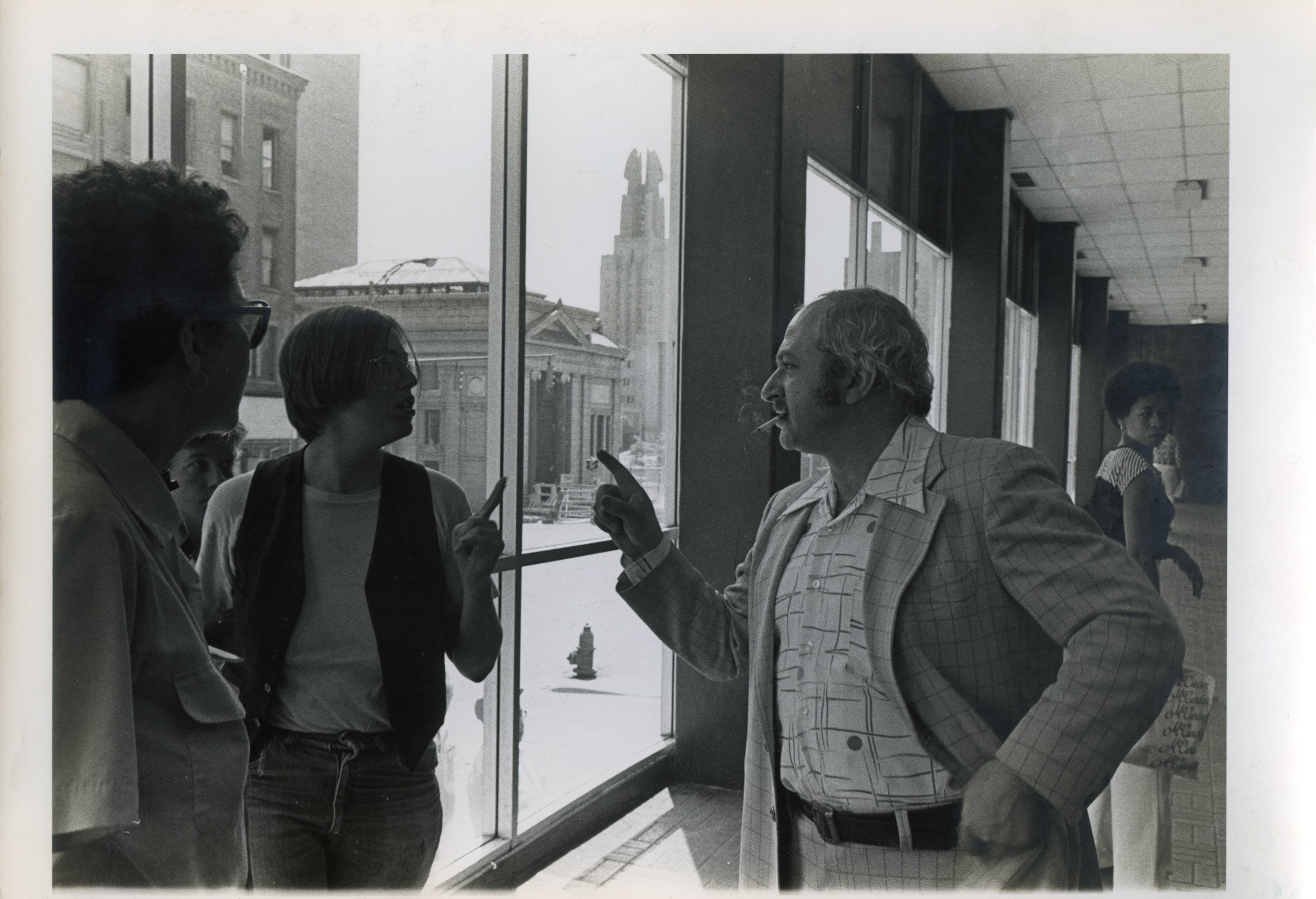
In the following weeks and months, the arrest of these fourt R-WAVAW memers generate a great deal of publicity, which is chronicled through several folders in the R-WAVAW collection that contain extensive documentation about this event. These materials include: photographs of a protest outside the cinema on behalf of the women arrested, legal records from when the case went to trial, defense committee outreach flyers requesting donations, extensive local newspaper coverage, and correspondence with other WAVAW chapters across the country. Much of these materials is included in this digital exhibition. In addition, Martha Gever recorded the events surrounding the arrest and trial of the four women who broke into the Holiday Cine, in a documentary titled A Crime Against Women (1979), a video archived and stewarded by the nonprofit arts organization Visual Studies Workshop. Many shots in the documentary comprise images of newspaper clippings, the legal records, and the flyers that pertained to this event, making the documentary and R-WAVAW collection complementary resources that illuminate this historical event.
Several R-WAVAW members produced public television programs on this issue in collaboration with the media collective Portable Channel. Much like Martha Gever’s aforementioned video A Crime Against Women, the Portable Channel videos overlap with material in the R-WAVAW collection, such that they bear a symbiotic relationship, as together they help to illuminate the history of feminist media activism in late 1970s Rochester.
Notable Portable Channel videos that document R-WAVAW activities include:
- Pussycat 1 Original (1977) and SMUT Pussycat 2 (1977), two videos in which R-WAVAW members interview two sex workers at The Pussycat Lounge, an adult nightlife club that was adjacent to Kodak Hall at Eastman Theatre.
- SMUT Postering Tape 1 (1977) and SMUT Poster Party Tape 2 (1977), in which R-WAVAW members congregate at a house to create a batch of wheatpaste in order to put up posters across town that state “SMASH PATRIACHY,” and during their preparations discuss the relationship between pornography and violence against women.
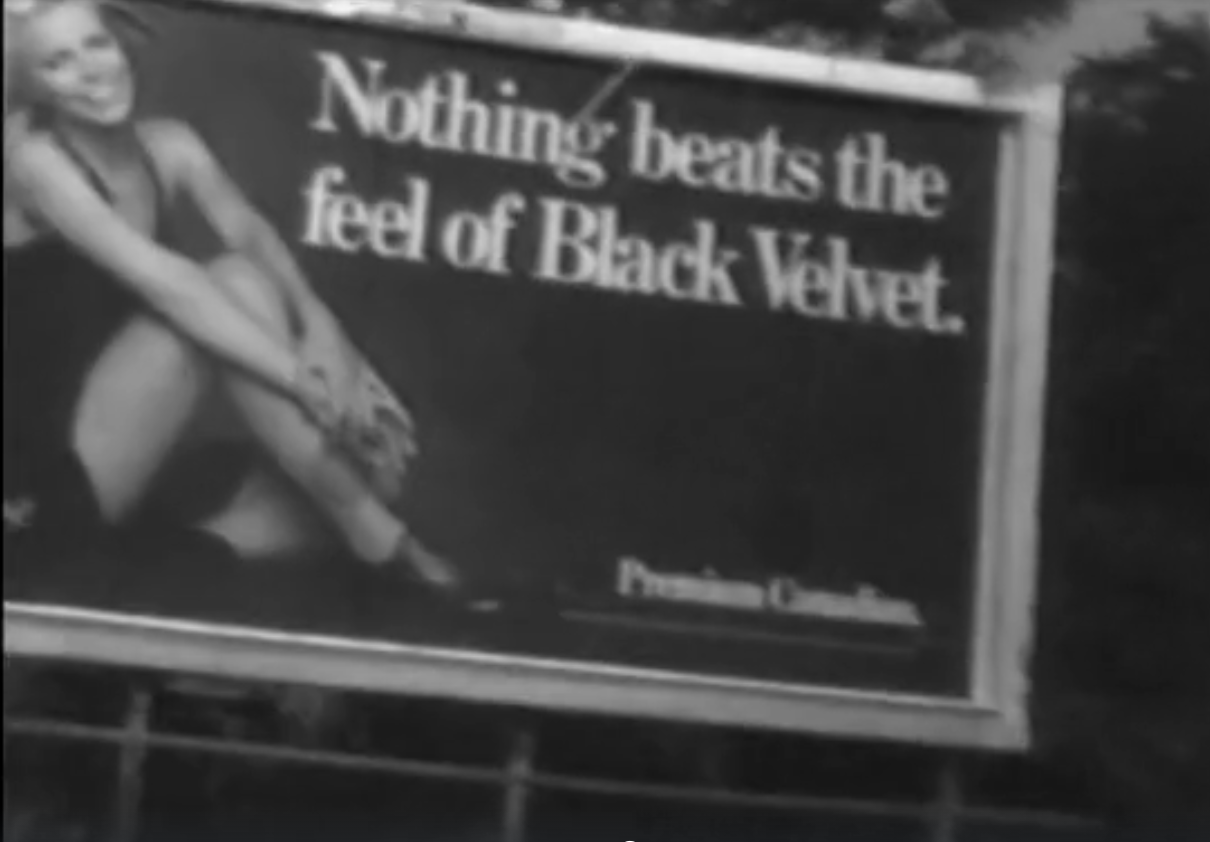
- Billboards and Spray Paint (1977), in which two people drive around Rochester documenting on video the direct actions of R-WAVAW across town in the form of posters and spray paint in public spaces.
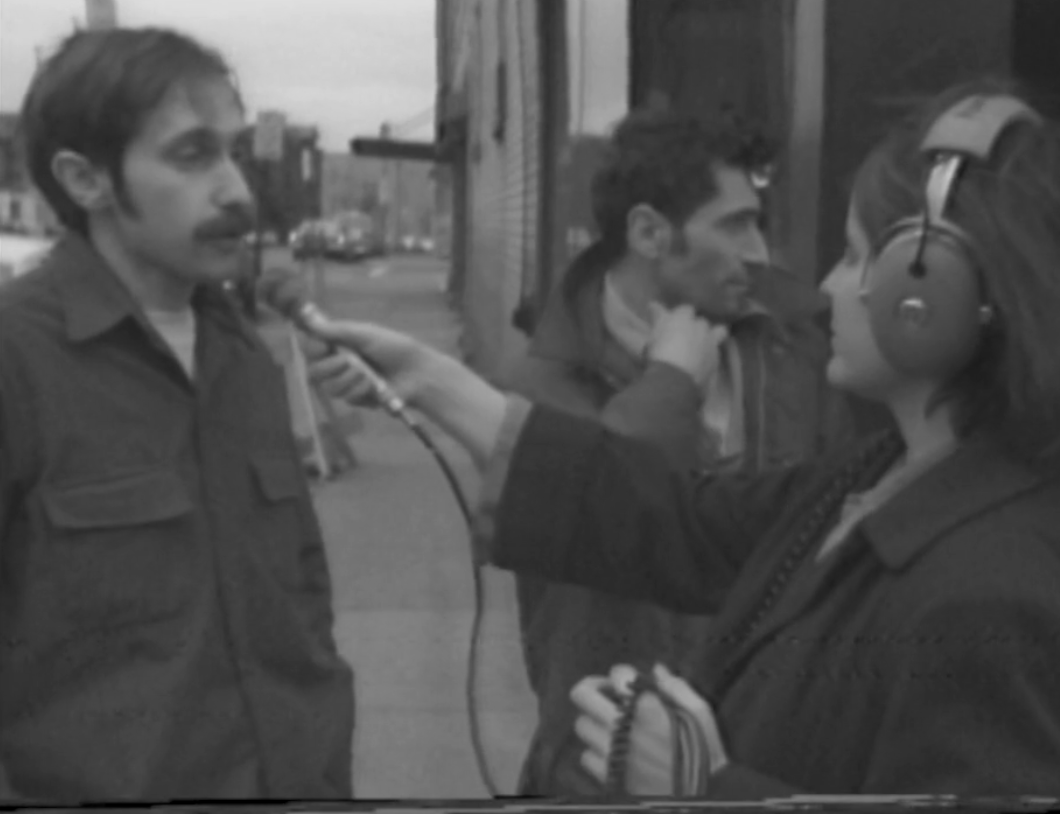
- SMUT #3 Street (1977), a video in which a R-WAVAW member interviews passersby on the street regarding an adult bookstore directly across from Kodak Hall.
- Women/ Cultural Original #1 and #2 (1977), two videos in which R-WAVAW members further discuss and debate the relationship between pornography and violence against women.
The intimate link between the R-WAVAW Collection and the Portable Channel Collection is corroborated by a folder in the archive that contains the transcript for another video, Pleasure, Profit, and Power (1977), which is composed of text edited together from three videos: Women/Cultural Original #1 and #2, and SMUT Postering Tape 1.
Letter correspondence within the R-WAVAW collection shows most of the materials were addressed to Martha Gever and Margaret Hall, the two feminist organizers who appeared at the 1980 Take Back the Night: Women on Pornography conference in San Francisco. That nearly all the correspondence with R-WAVAW is addressed to Gever and Hall signals that the archive was likely stewarded by them between the years 1976 and 1982. At some point during the 1980s, Nancy Rosin, one of the most active members of R-WAVAW, acquired the collection. Rosin’s name appears often in the archival materials as well, and she was the primary R-WAVAW member involved in making videos with Portable Channel. Rosin has stewarded the archive since her acquisition of it, and in July 2025 offered to donate the archive to Visual Studies Workshop, given that the R-WAVAW Collection has close ties to the Portable Channel video collection. But, given that Visual Studies does not have the facilities nor the space to house the archive, an effort is now being made to find a new home for the archive. From August–October 2025, Visual Studies Workshop has collaborated with Bridget and Elizabeth to compile an inventory of the R-WAVAW archive, and to develop a report on its contents.